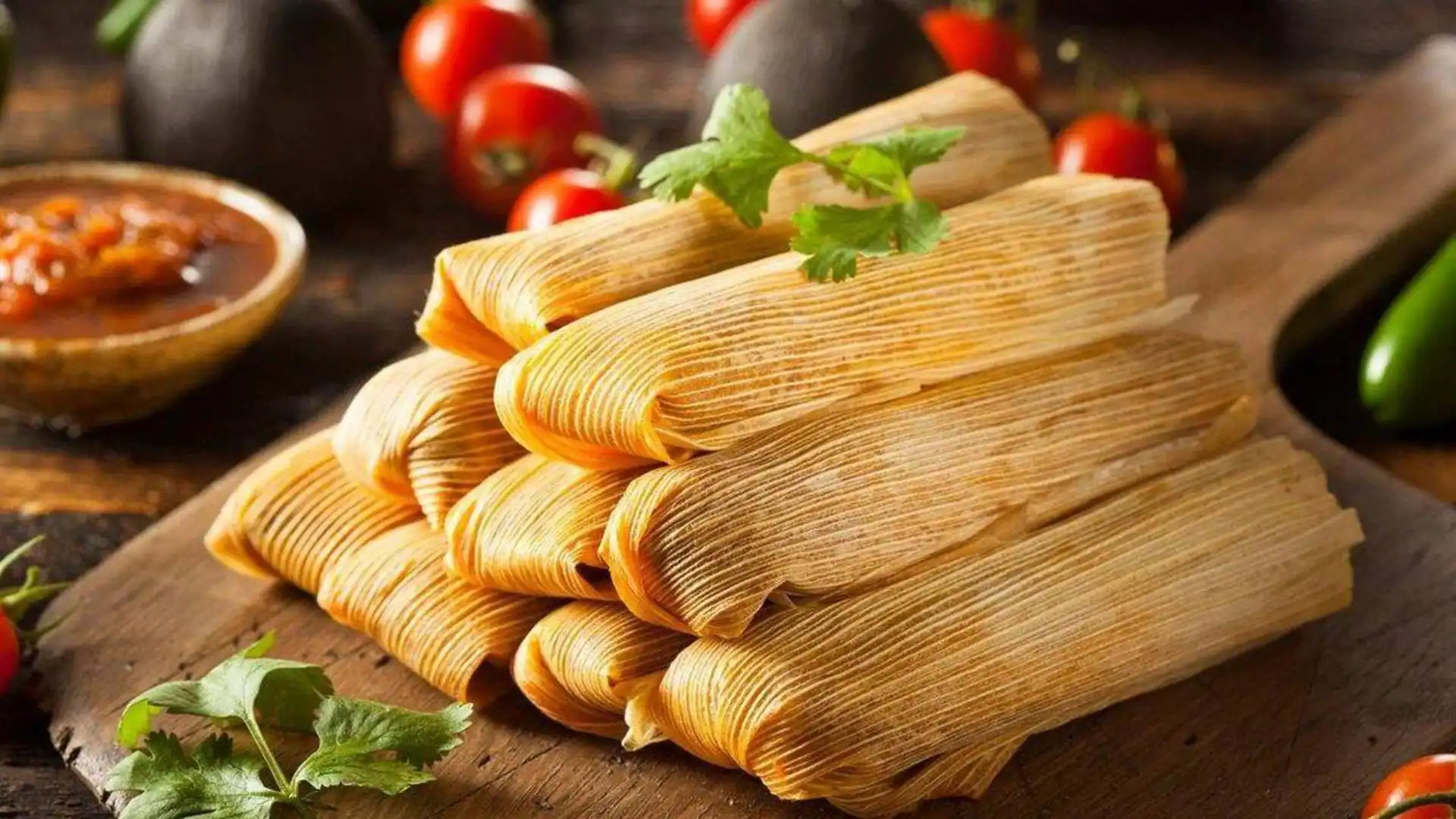
There is a quiet ritual to unwrapping a tamale. The soft hiss of the corn husk pulling away. The release of steam carrying the scent of masa and slow cooked pork or rajas con queso.
For many families across Mexico and the American Southwest, tamales are not merely a dish. They are the centerpiece of Christmas Eve, New Year’s Day and any gathering that asks for patience and love.
Yet even the most perfect tamale deserves companions. A plate with only tamales feels incomplete, like a symphony missing its lower registers. The question that every holiday host faces is this: what should surround the tamales to create a meal that feels whole, balanced and deeply satisfying?
The answer lies in understanding what tamales offer and what they ask for. Tamales are rich, dense and intensely flavored. They provide warmth and comfort but can also feel heavy without contrast. The ideal holiday spread includes elements that provide freshness, acidity, texture and something to sip. This guide walks you through traditional and creative pairings that respect the tamale while elevating the entire meal.
The Philosophy of Building a Tamale Spread
Before selecting specific dishes, consider the principle of contrast. A tamale is soft and yielding. It needs crunchy or crisp elements. It is often fatty from lard or pork. It requires brightness from citrus or vinegar. It can be spicy. That heat wants cooling counterpoints such as crema or avocado.
Mexican holiday tables are not about minimalist plating. They are generous, layered and colorful. A proper spread might include rice, beans, a fresh salad, two or three salsas, pickled vegetables and a warm drink. Do not feel pressured to make everything from scratch. Some components can be purchased or prepared a day ahead. The goal is harmony, not exhaustion.
Essential Side Dishes That Honor Tradition
These sides have stood beside tamales for generations. They are not accidental. They answer specific needs that tamales create on the palate.
Mexican Rice (Arroz Rojo)
No side dish appears more frequently on Mexican holiday tables than red rice. It is simple in concept but revealing in execution. Long grain rice is toasted in oil until golden, then simmered with tomato, onion, garlic and chicken broth. The result is fluffy, savory and slightly tangy from the tomato.
Why does it work with tamales? The rice absorbs extra sauce and salsa that might otherwise pool on the plate. Its individual grains provide a textural break from the smooth masa. Moreover, rice stretches the meal. When feeding a crowd of twelve or more, a large pot of rice ensures that everyone leaves satisfied.
Prepare the rice a day ahead. Reheat it gently with a sprinkle of water and a lid. The flavors actually improve overnight.
Refried Beans (Frijoles Refritos)
Beans and tamales share a common ancestor: the Mesoamerican habit of wrapping cooked masa around fillings. Refried beans are not actually fried twice. The name comes from the Spanish “refritos” meaning well fried. Pinto or black beans are cooked until soft, then mashed and fried with onion, garlic and sometimes a bit of crumbled bacon or chorizo.
The creamy, almost buttery texture of refried beans complements the masa without competing. Beans also add protein and fiber, making the meal more substantial. For a holiday presentation, spoon the beans into a shallow bowl and garnish with queso fresco and a drizzle of crema. Serve warm.
One word of caution: do not serve beans that are too thick or too dry. They should be loose enough to scoop with a tortilla chip but not swimming in liquid.
Curtido (Salvadoran Style Pickled Slaw)
This side may have origins in El Salvador, but it has found a welcome home alongside Mexican tamales, particularly in regions with large Central American communities. Curtido is a lightly fermented cabbage slaw with carrots, oregano and vinegar. It is crunchy, sour and slightly spicy.
The acidity of curtido cuts through the richness of pork tamales or those made with lard. It also wakes up the palate between bites. Unlike a creamy coleslaw, curtido stays bright and refreshing. Make it three days before your holiday meal. The fermentation develops complexity without becoming overpowering.
To serve, drain off some of the liquid and present the curtido in a small bowl with a slotted spoon.
Fresh and Raw Elements for Contrast
Tamales are cooked food at its most comforting. The spread benefits enormously from raw, uncooked components that provide crunch and vibrancy.
Simple Green Salad with Citrus Vinaigrette
Do not underestimate the power of a well made salad. A mix of romaine, butter lettuce and arugula provides a crisp foundation. Add thinly sliced radishes, cucumber and segments of orange or grapefruit. The dressing should be sharp and simple: lime juice, orange juice, a spoonful of honey, a minced shallot and olive oil.
The citrus echoes the achiote or sour orange often found in tamale dough. The raw vegetables cleanse the palate after a particularly rich bite of mole or cheese filled tamale. This salad also adds visual brightness to a table that might otherwise be dominated by browns and reds.
Assemble the greens and vegetables in a large bowl but keep the dressing separate until the last moment. Toss only when guests are ready to eat.
Sliced Avocado with Salt and Lime
Sometimes the best side is the simplest. A plate of thick avocado slices, sprinkled with flaky salt and a generous squeeze of lime, offers creaminess without heaviness. Avocado provides healthy fat that softens the heat of a spicy salsa. It also gives non meat eaters a satisfying component.
Arrange the avocado slices in a fan pattern on a small platter. Sprinkle with salt and crushed red pepper for color. Serve the lime wedges on the side so guests can adjust the acidity to their liking.
Pico de Gallo
Pico de gallo is not a salsa you blend. It is a chopped salad of tomato, onion, cilantro, jalapeño and lime juice. The texture is chunky and juicy. The flavor is bright and assertive.
Why serve pico de gallo with tamales when you might also serve a cooked salsa? Because the raw ingredients provide a contrast that a simmered salsa cannot. The crunch of fresh onion and the burst of tomato juice lighten the dense masa. Pico de gallo also comes together in ten minutes. Make it an hour before serving so the flavors marry but the vegetables stay firm.
Salsas and Sauces to Transform Each Bite
Tamales are rarely eaten plain. The right salsa turns a good tamale into a memorable one. Offer at least two salsas with different heat levels and flavor profiles.
Salsa Roja (Red Chili Salsa)
A classic salsa roja begins with roasted tomatoes, dried chiles (such as guajillo or árbol), garlic and onion. The chiles are soaked or toasted before blending. The result is a smooth, brick red sauce with moderate heat and deep smokiness.
This salsa clings to the tamale without running off the plate. It adds a layer of complexity that complements pork, chicken or beef tamales. Warm the salsa gently before serving. Cold salsa on a hot tamale creates an unpleasant temperature contrast.
Salsa Verde (Tomatillo Salsa)
Salsa verde is sharper and brighter than its red counterpart. Roasted tomatillos, serrano peppers, cilantro and onion blend into a zesty green sauce. The acidity of tomatillos cuts through fatty tamales like those made with pork shoulder or brisket.
For a holiday spread, consider offering both a roasted salsa verde and a raw version. The roasted version has deeper notes. The raw version is aggressively fresh. Guests will appreciate the choice.
Crema or Mexican Sour Cream
Crema is thinner and less tangy than standard sour cream. It pours like heavy cream and adds a luxurious richness. A drizzle of crema over a tamale topped with salsa roja creates a beautiful orange and white contrast. The dairy also tempers spice for guests who are sensitive to heat.
Purchase crema from a Latin market or make your own by thinning sour cream with a little milk and lime juice. Serve it in a squeeze bottle for easy drizzling.
Holiday Drinks That Pair with Tamales
A tamale spread without proper drinks is like a fire without warmth. Traditional Mexican holiday beverages are designed to complement the food, not compete with it.
Champurrado (Thick Mexican Hot Chocolate)
Champurrado is hot chocolate thickened with masa harina. It is spiced with cinnamon and sometimes vanilla or anise. The texture is velvety and the flavor is deeply comforting. Champurrado and tamales share masa as a core ingredient. That connection makes them natural partners.
Serve champurrado in small cups because it is rich. A little goes a long way. Prepare it on the stovetop and keep it warm in a slow cooker or a thermal carafe. For guests who do not drink alcohol, champurrado feels festive and special.
Mexican Hot Coffee (Café de Olla)
Café de olla is coffee brewed with cinnamon and piloncillo (unrefined cane sugar). It is traditionally made in a clay pot, which gives it an earthy undertone. The cinnamon sweetens the coffee without making it cloying. The warmth of the spice pairs beautifully with savory tamales.
Brew a large batch before guests arrive. Keep it warm on the stove. Serve it in small clay mugs if you have them. The presentation alone starts conversations.
Aguas Frescas
For a non-alcoholic, cold option, aguas frescas are ideal. Choose flavors that do not overwhelm the tamales. Horchata (rice and cinnamon water) offers creamy sweetness that balances spicy tamales. Jamaica (hibiscus tea) is tart and floral, cutting through richness. Limonada (limeade with mint) is the most refreshing choice of all.
Set up a small drink station with two or three aguas frescas in glass dispensers. Add floating fruit slices or herbs for visual appeal.
Beer and Cocktails for Those Who Drink
If your holiday gathering includes alcohol, keep it simple. Light Mexican lagers such as Modelo Especial or Pacifico do not overpower tamales. For cocktails, a classic Margarita with fresh lime and agave works well. So does a Paloma made with grapefruit soda and tequila. Avoid heavy red wines or dark spirits. They clash with the masa and the subtle flavors of the fillings.
Putting the Spread Together on a Busy Holiday
You cannot make everything from scratch. Smart holiday hosts know which battles to fight. Here is a realistic timeline.
- Three days before:Make the curtido. It improves with time. Prepare and freeze any homemade tamales you plan to serve.
- Two days before:Make the salsa roja and salsa verde. Store them in sealed jars in the refrigerator. Brew and refrigerate the aguas frescas bases (without ice or water).
- One day before:Cook the rice. Cook and mash the beans but do not refry them until the day of the event. Make the pico de gallo but wait to add salt until serving time. Toast the chiles for the salsa if you are making a fresh batch.
- Morning of the holiday:Refry the beans. Steam the tamales. Assemble the green salad without dressing. Slice the avocado and cover tightly with plastic wrap. Warm the salsas and the champurrado.
- One hour before serving:Arrange everything on the table. Put the tamales in a steamer or a covered dish. Let guests serve themselves buffet style. Tamales are meant to be passed around, not plated individually.
Bringing Families Together Around a Shared Table
Tamales carry memories. Every family has a story about the year too many tamales were made or the year the masa came out too dry. But across all those stories, one truth remains. Tamales are never eaten alone. They demand a gathering. They ask for time, conversation and the small generosity of passing a basket of warm tortillas or a bowl of extra salsa.
The sides and drinks you choose should not compete for attention. They should support the tamale like a reliable friend. A pot of red rice. A bowl of creamy beans. A sharp salad. A tart salsa. A sweet, warm cup of champurrado. These elements together create a holiday spread that feels complete, thoughtful and unmistakably Mexican.
At Delicias Restaurant & Grill, we have spent years learning what works alongside a proper tamale. Our holiday menus are built on these exact principles. We respect the tradition. We honor the balance. And when you do not have the time to steam a hundred tamales yourself, our kitchen is ready to welcome you. Come share a plate with us. Bring your family. Leave with the memory of a meal that tasted like care. That is what a holiday spread should always be.