The confusion begins at the border. A traveler returns from Mexico City raving about tacos al pastor. A neighbor in San Antonio insists that a crispy shell loaded with ground beef and yellow cheese is also Mexican food. Both are right in their own way. Both are also making a category error that collapses two distinct culinary traditions into one.
Tex Mex and authentic Mexican food share ingredients, history and a border. But they are not the same thing. Understanding the difference is not about declaring one better than the other. It is about respecting the origins, evolution and intentions behind each cuisine. For the curious eater, this knowledge transforms how you order, cook and appreciate Mexican influenced food.
This guide explains the key differences in ingredients, cooking techniques, dish evolution and cultural context. Examples are provided throughout so you can recognize each cuisine on a menu or in a cookbook.
What Is Authentic Mexican Food?
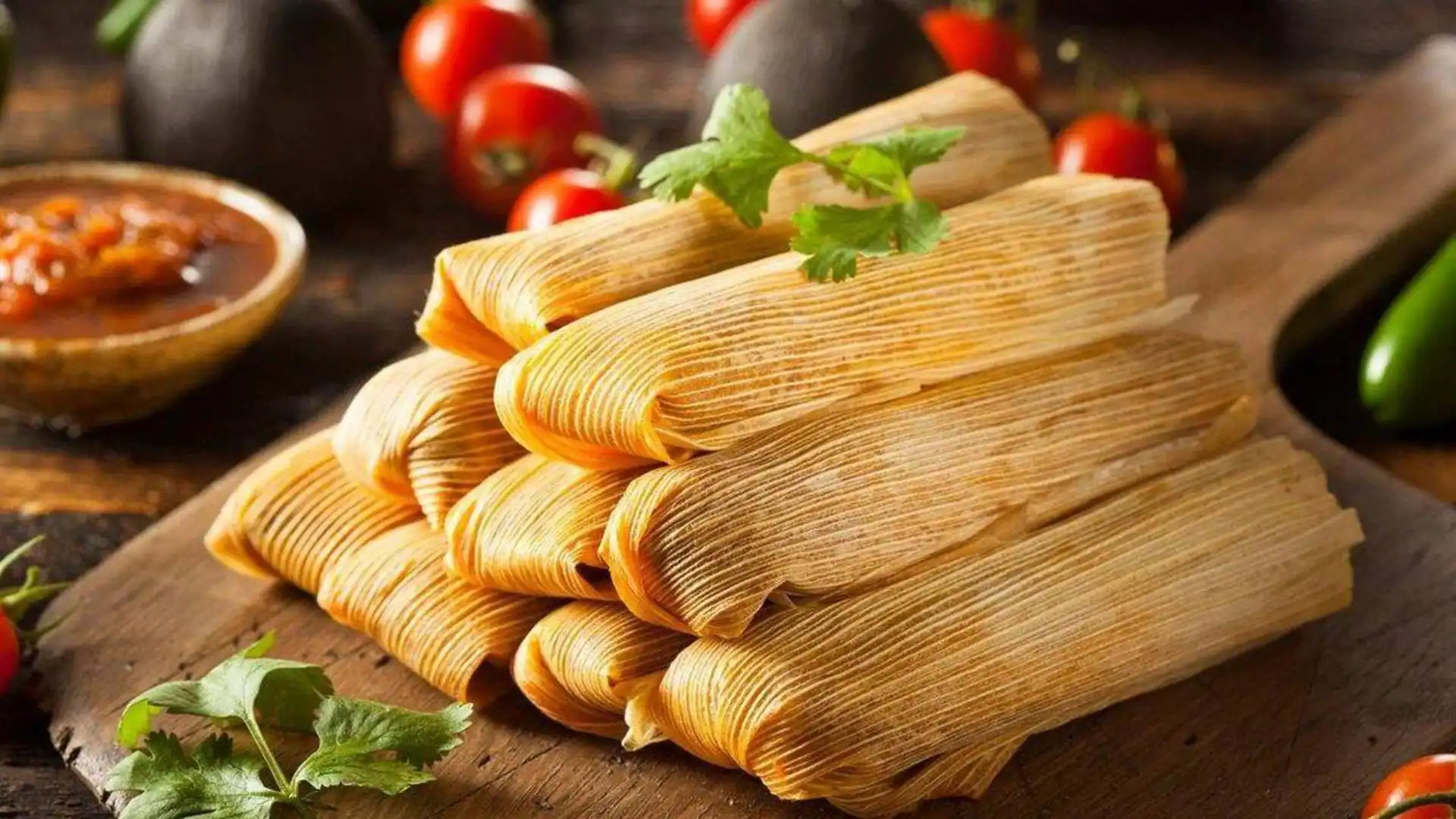
Authentic Mexican food is not a single cuisine. It is a collection of regional cooking styles shaped by pre-Hispanic civilizations, Spanish colonization, African influences and even brief French interventions. The common thread is the use of native ingredients such as corn, beans, chiles, tomatoes, tomatillos, squash, avocados and cacao. Cooking methods often involve grinding on a metate, steaming in banana leaves or corn husks, and slowly simmering in clay pots.
Authentic Mexican food prioritizes fresh, dried and nixtamalized corn over wheat. It uses lard or vegetable shortening for masa but not as a dominant flavor. Cheeses are fresh and crumbly such as queso fresco, panela or Oaxaca. Cumin is present but not overwhelming. The heat from chiles is balanced with other flavors rather than being the sole focus.
Regional Diversity Cannot Be Ignored
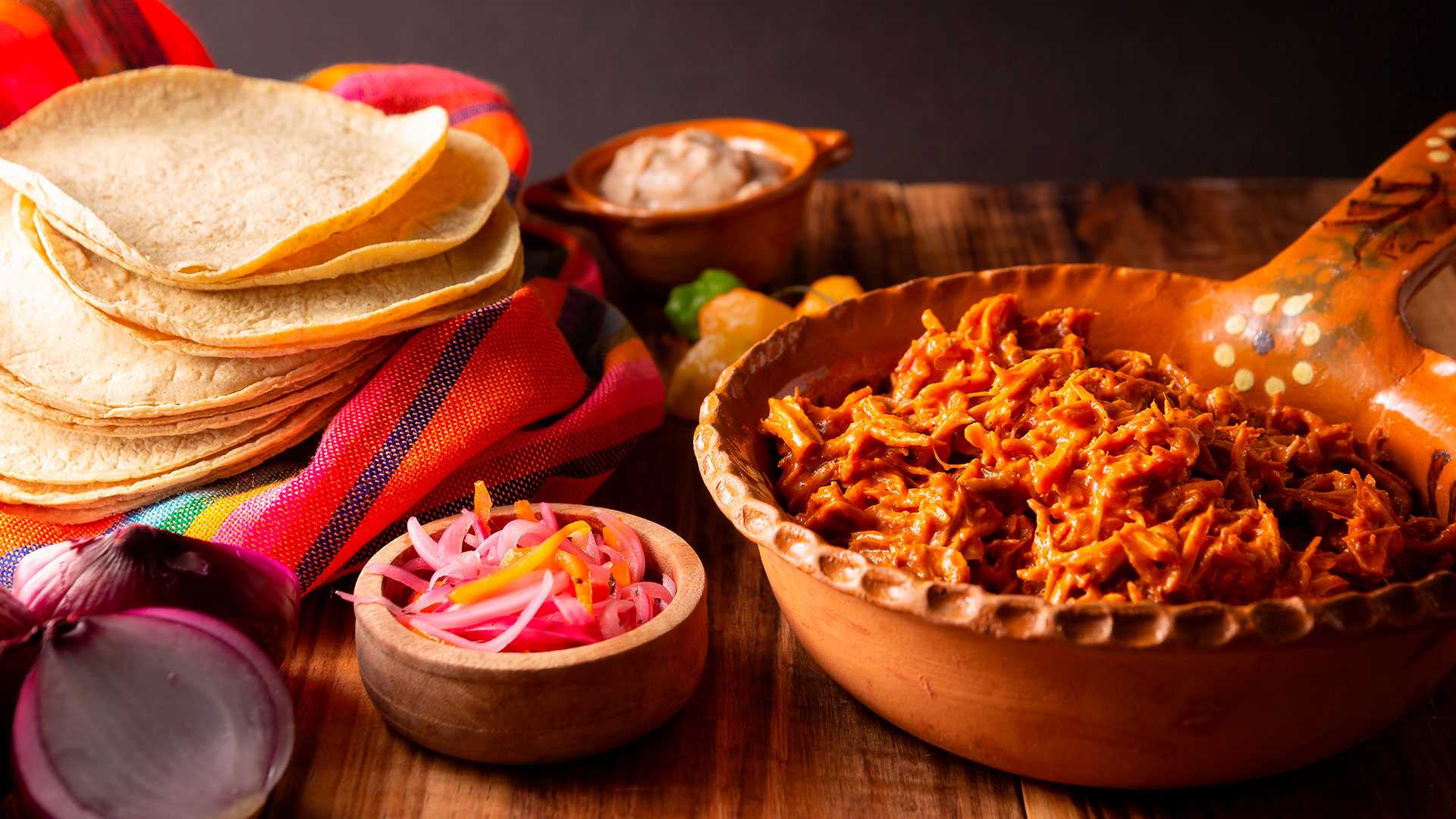
Northern Mexico grills beef and makes flour tortillas because wheat grows there. The Yucatán Peninsula uses achiote and sour orange for cochinita pibil. Oaxaca is known for moles and tlayudas. Veracruz incorporates seafood and European influences. Puebla claims mole poblano and chiles en nogada. To say any single dish represents all of Mexican food is like saying pizza represents all of Italian cooking.
What Is Tex Mex Cuisine?
Tex Mex emerged in Texas during the late nineteenth and early twentieth centuries. Mexican Americans living in Texas adapted traditional recipes to ingredients available in the United States. Yellow cheese, cumin, beef and wheat flour were more accessible than fresh chiles, queso fresco or pork lard. Over time, these adaptations became a distinct cuisine with its own identity.
Tex Mex is not a corruption of Mexican food. It is a regional American cuisine with Mexican roots. Dishes such as chili con carne, crispy tacos, nachos, fajitas (originally a Tex Mex creation) and cheese enchiladas with chili gravy have legitimate histories. They were not invented by marketing executives. They were invented by cooks doing the best they could with what they had.
The Defining Features of Tex Mex
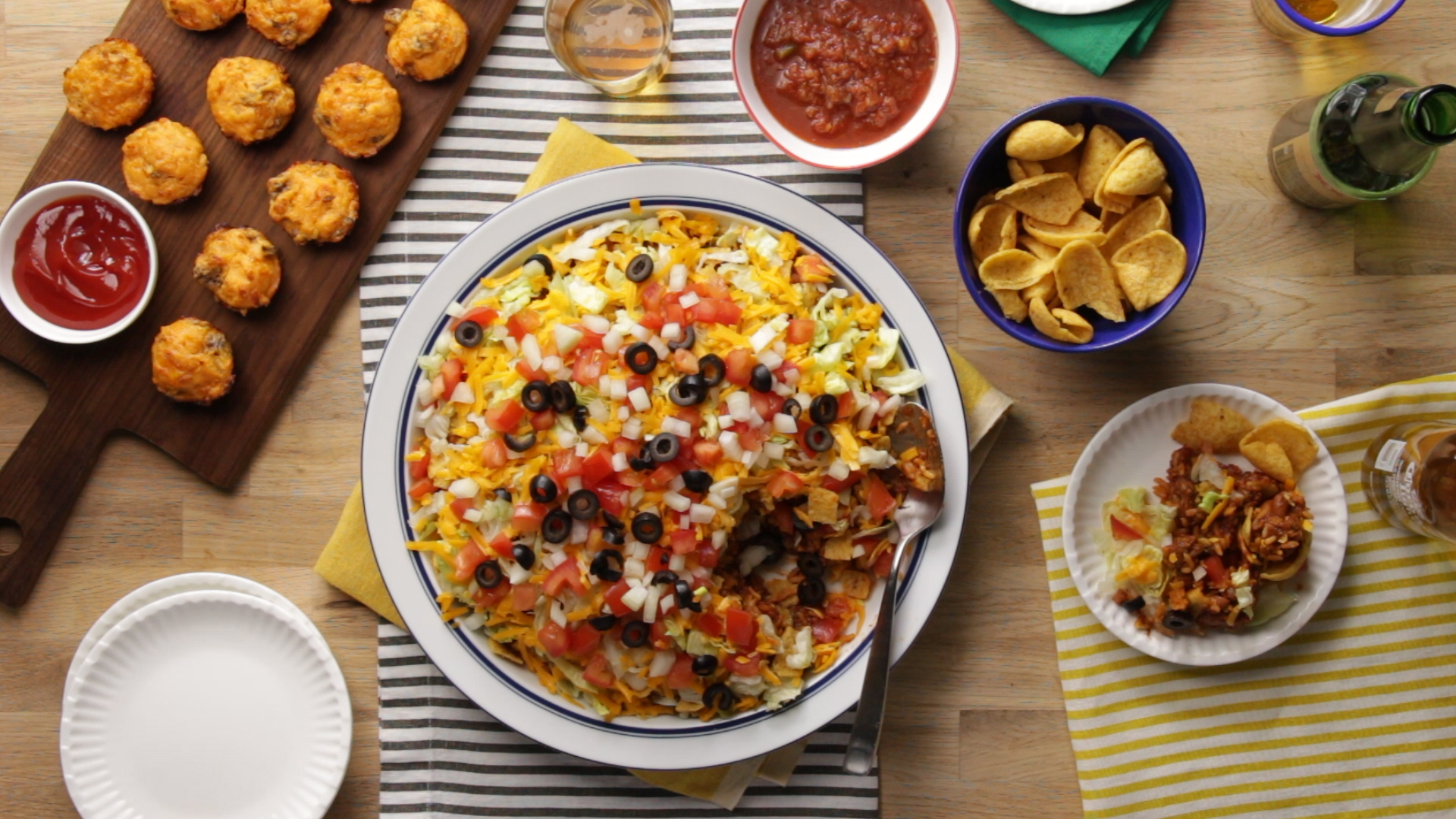
Tex Mex relies heavily on yellow cheddar or processed cheese, shredded iceberg lettuce, diced tomato, sour cream and beef. Cumin is used in quantities that would overwhelm most Mexican dishes. Flour tortillas are common even for tacos. Salsas are often cooked or canned rather than fresh. The plate is typically covered in melted cheese, refried beans and rice. Portions are large and filling.
Side by Side Comparison of Key Dishes
The clearest way to understand the difference is to examine how the same dish name changes between the two cuisines.
Tacos
An authentic Mexican taco starts with two small corn tortillas, usually made fresh. The filling is simple. Grilled or braised meat such as carne asada, carnitas, al pastor, barbacoa or lengua. Toppings are chopped onion, cilantro and a drizzle of salsa. Lime wedges on the side. No shredded cheese, no sour cream, no lettuce, no hard shells. The tortilla is the star.
A Tex Mex taco often uses a hard corn shell or a flour tortilla. The filling is ground beef seasoned heavily with cumin and chili powder. Toppings include shredded yellow cheese, iceberg lettuce, diced tomato and sour cream. Some versions add olives or jalapeños from a jar. The experience is crunchy, creamy and rich.
Enchiladas
Authentic enchiladas are corn tortillas lightly fried, dipped in a chile sauce (red or green), then filled with shredded chicken, cheese or beans. They are rolled and placed on a plate. Toppings are minimal. Onion, crema, crumbled queso fresco and maybe a sprinkle of chopped cilantro. The sauce is thin and deeply flavored from dried chiles.
Tex Mex enchiladas use corn tortillas but the sauce is chili gravy. This is a roux thickened sauce made with beef broth, cumin, chili powder and sometimes tomato. The tortillas are not dipped in sauce before rolling. They are filled with ground beef or yellow cheese, rolled, covered in chili gravy, then buried under a mountain of shredded yellow cheese. The whole thing bakes until bubbly.
Fajitas
Fajitas are actually a Tex Mex invention. Authentic Mexican cuisine has grilled meat on a platter, but the specific presentation of sizzling strips of beef or chicken with bell peppers and onions served with flour tortillas, sour cream, guacamole and pico de gallo came from Texas in the 1930s and became popular in the 1980s. That said, a good Tex Mex fajita can be delicious. The issue is only one of origin.
The Role of Cumin
Cumin is a useful spice. It appears in Mexican cooking, especially in the Yucatán and in moles. But it is never dominant. In Tex Mex, cumin is the flavor. Chili con carne, taco seasoning and fajita marinades all rely heavily on cumin. If a dish tastes primarily of cumin, it is almost certainly Tex Mex or Americanized Mexican. Authentic Mexican food uses cumin as a background note at most.
Cheese Makes the Difference
Authentic Mexican cheese is fresh, white and mild. Queso fresco crumbles. Queso Oaxaca stretches like mozzarella. Panela is firm and salty. None of them melt into a gooey yellow puddle. Tex Mex uses yellow cheeses such as cheddar, Monterey Jack and processed cheese blocks. These melt smoothly and dominate the flavor of any dish they touch. The popularity of queso dip, a warm melted cheese dip often mixed with green chiles or chorizo, is purely Tex Mex.
Beans and Rice
In authentic Mexican cooking, beans are often served whole or as a pot of frijoles de la olla. Refried beans exist but are not always present. Rice is common in central and southern Mexico, usually prepared as arroz rojo or arroz blanco. The rice is fluffy and lightly seasoned. In Tex Mex, a plate almost always includes a scoop of refried beans and a scoop of Mexican rice, both served as sidekicks to the main dish. The rice is often more tomato forward and sometimes greasy.
Salsas
Authentic salsas are made from fresh or rehydrated chiles, tomatillos or tomatoes. They are blended with garlic, onion and cilantro. Textures range from chunky to smooth. Raw salsas (salsa cruda) are common. Cooked salsa is also used. The chile variety determines the heat and flavor profile. Tex Mex salsas are often thinner, more vinegary or heavily cooked. Many restaurant Tex Mex salsas are essentially spiced tomato sauce. The bottled red salsa found on Tex Mex tables is a distant cousin of real Mexican salsa.
The Origins of the Confusion
Americans first encountered Mexican food through Tex Mex. From the 1940s through the 1970s, Tex Mex restaurants spread across the United States. Most Americans assumed that combination plates of crispy tacos, enchiladas with chili gravy and refried beans were what Mexicans ate. When authentic Mexican regional cuisine began gaining attention in the 1990s and 2000s, a backlash emerged. Food writers and chefs started calling Tex Mex inauthentic or fake. This was unfair to both cuisines.
Tex Mex is authentic to Texas. It has its own history, its own cookbook and its own devoted fans. The problem is not Tex Mex. The problem is calling Tex Mex simply Mexican. That erases the diversity of actual Mexican cooking. It also erases the creativity of Tejano cooks who built something new from limited resources.
Why Both Deserve Respect
A person can love both cuisines without contradiction. A crispy taco with ground beef and a soft corn taco with al pastor serve different cravings. One is comforting and familiar. The other is complex and rooted in centuries of tradition. Neither invalidates the other.
The issue arises when restaurants market Tex Mex dishes as authentic Mexican food without clarification. A menu listing enchiladas suizas next to chiles rellenos might be fine. But if the enchiladas are made with chili gravy and yellow cheese, the diner deserves to know what they are ordering. Transparency helps everyone.
How to Spot the Difference on a Menu
Look for these clues. If the menu lists yellow cheese, sour cream, iceberg lettuce, ground beef, crispy shells or chili gravy, expect Tex Mex. If the menu lists queso fresco, crema, cilantro, onion, corn tortillas, carnitas, al pastor or mole, expect authentic Mexican. Menus can mix both, but the dominant style will reveal itself quickly.
Another clue is the rice and bean arrangement. If they come automatically on every plate, that is Tex Mex thinking. Many authentic Mexican dishes are served without rice and beans unless requested.
A Note on Regional Authenticity
Some people argue that only food eaten in Mexico is authentic. This is too narrow. Mexican immigrants in the United States continue to cook regional Mexican dishes using American ingredients. Their food is authentic even if the tomatoes come from a supermarket rather than a milpa. Authenticity is about intention, technique and respect for tradition, not geography.
That said, a deep-fried burrito smothered in orange cheese sauce is not authentic Mexican cuisine by any stretch. It may be delicious. It may be Tex Mex or even Nuevo Mexican or Cal Mex. But calling it Mexican confuses the conversation.
Understanding Enriches Your Plate
Knowing the difference between Tex Mex and authentic Mexican food does not make you a snob. It makes you an informed eater. You can appreciate a plate of cheese enchiladas with chili gravy on Tuesday and a plate of cochinita pibil on Friday without any conflict. Each serves a different purpose. Each has a story worth knowing.
At Delicias Restaurant & Grill, we cook authentic Mexican food rooted in family recipes from central Mexico. We do not serve yellow cheese on our enchiladas. Our tacos come on soft corn tortillas with onion and cilantro. Our mole takes two days to prepare. Tex Mex has its place, but that place is not our kitchen. We invite you to taste the difference.
Come for the al pastor. Stay for the salsa made from scratch every morning. Then decide for yourself which tradition speaks to your palate. Both are valid. Only one tastes like our grandmothers taught us.